The Specific Wall Contact Points That Determine Whether Wall Pilates Actually Works
Quick Answer: Wall Pilates’ effectiveness depends heavily on maintaining specific contact points — typically the back of the head, shoulder blades, and sacrum staying connected to the wall during core-focused movements — because these contact points are what provide the alignment feedback and resistance the exercises rely on; losing them turns the movement into a much less effective version of the same exercise.
The wall isn’t just a prop for wall Pilates — it’s actively providing feedback and resistance, but only when contact is actually maintained at the right points throughout the movement.
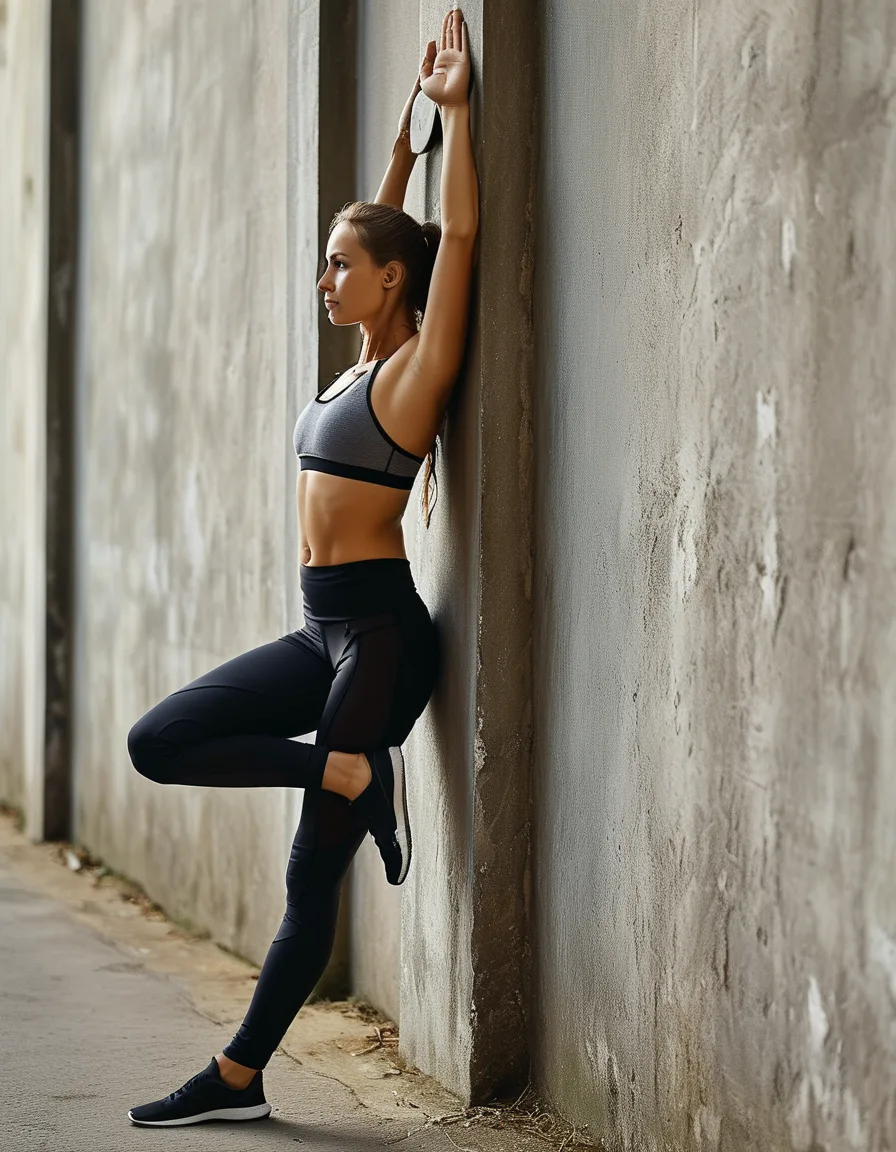
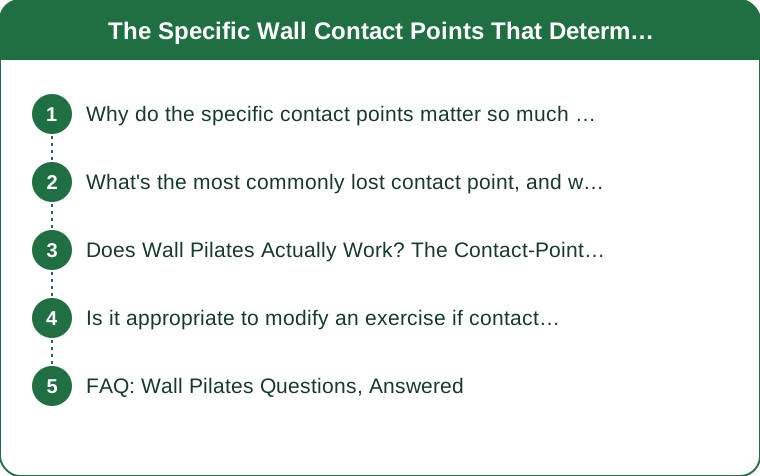
Why do the specific contact points matter so much to whether the exercise works?
The wall’s role in Wall Pilates is to provide constant tactile feedback about spinal alignment and pelvic position, which helps prevent common form errors (like an overarched lower back) that are harder to self-correct without that feedback. When the specified contact points (often head, shoulder blades, and sacrum) lose contact with the wall during a movement, that alignment feedback disappears — and often signals the core isn’t engaging correctly to maintain proper position either.
This is why maintaining contact isn’t just a technicality — it’s usually a direct proxy for whether the targeted muscles are actually doing the intended work.
What’s the most commonly lost contact point, and why does it happen?
The lower back and sacrum losing wall contact is one of the most common form breakdowns, typically because the abdominal and deep core muscles aren’t yet strong or engaged enough to keep the pelvis in a neutral position under load — the lower back arches away from the wall to compensate, which shifts effort away from the core and toward the hip flexors instead.
This is a useful real-time signal: if the lower back keeps lifting off the wall during a movement, that’s usually a sign to modify the exercise (smaller range of motion, slower tempo) rather than push through with broken contact.
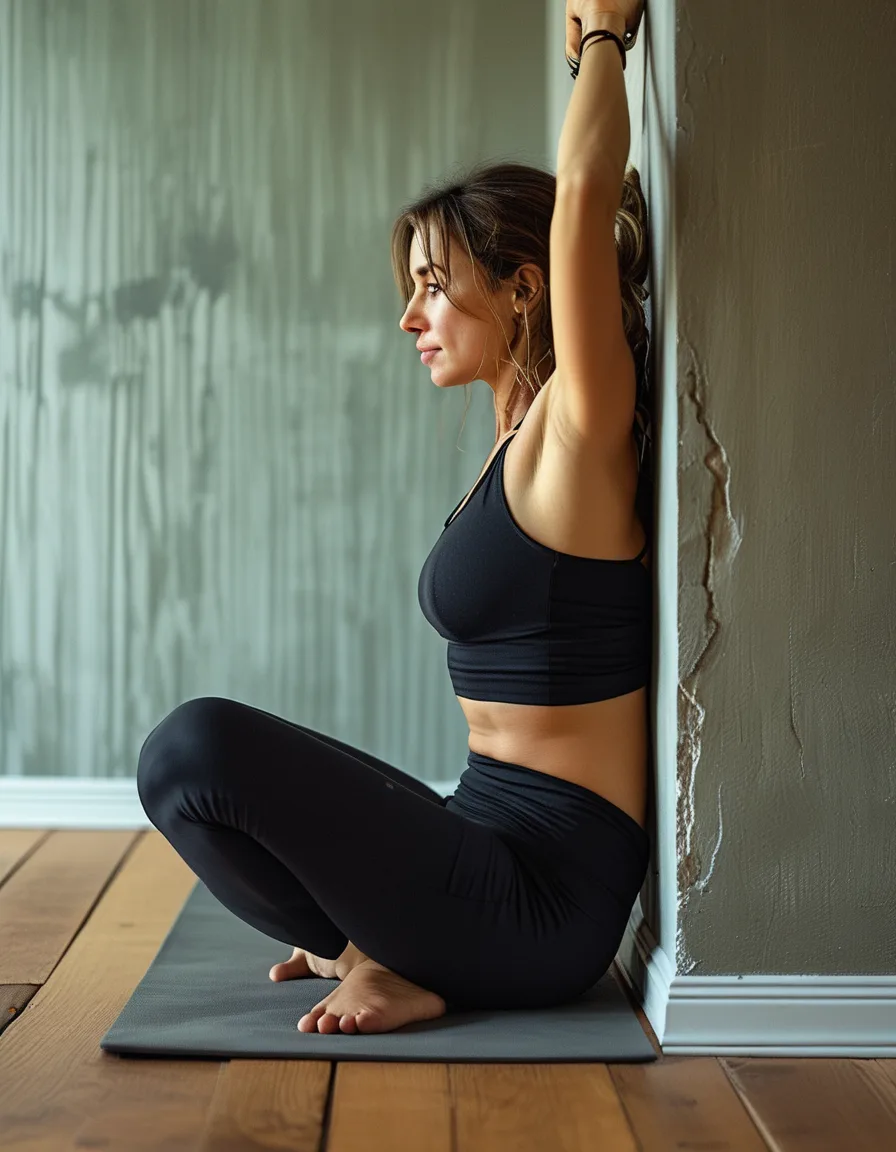
Does Wall Pilates Actually Work? The Contact-Point Evidence
Wall Pilates as a broader method draws on established Pilates principles (core engagement, controlled movement, spinal alignment), which have reasonable evidence support for core strength and postural benefits — the wall specifically adds a tactile alignment check that traditional mat Pilates relies on internal body awareness alone to achieve.
For beginners who struggle to self-assess alignment without external feedback, the wall’s contact-point requirement can make correct form more achievable and consistent than unsupported mat versions of similar movements.
Is it appropriate to modify an exercise if contact points can’t be maintained yet?
Yes — reducing range of motion or slowing the tempo to whatever range allows contact points to be maintained throughout is the appropriate progression, rather than completing a larger range of motion with broken contact and reduced core engagement.
As core strength builds, the achievable range of motion while maintaining contact typically increases naturally, which is a more reliable progression marker than simply pushing to a larger range before the supporting strength is there.
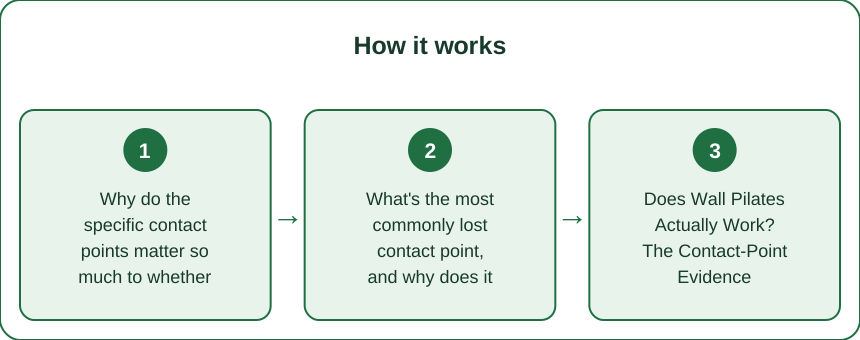
FAQ: Wall Pilates Questions, Answered
Which contact points matter most for beginner wall Pilates exercises?
Head, shoulder blades, and sacrum (lower back/pelvis area) are the most commonly emphasized contact points across most beginner wall Pilates routines.
Is it normal to lose contact points initially as a beginner?
Yes — this is a common and expected part of building core strength; the fix is modifying range rather than avoiding the exercise entirely.
Can Wall Pilates replace traditional mat Pilates entirely?
It can be a useful entry point or alignment-focused complement, but traditional mat and reformer Pilates offer movement variety and progression that wall-based routines alone don’t fully replicate.
TL;DR:
- Wall Pilates’ effectiveness depends on maintaining specific contact points, not just proximity to the wall
- Losing contact (especially at the lower back) usually signals the core isn’t engaging correctly
- The wall provides tactile alignment feedback that unsupported mat Pilates relies on internal awareness to achieve
- Reducing range of motion to maintain contact is the correct progression, not pushing through broken form
The wall is doing real feedback work in Wall Pilates — but only for the range of motion where contact points actually stay connected.
See It in Motion
Keep Reading
This article is for general informational and styling purposes only. Fit, sizing, and product availability may vary.