Wall Pilates vs Mat Pilates: What Actually Changes When You Add a Wall
Quick Answer: Wall pilates uses the wall as a stability anchor and light resistance surface, which makes certain core and alignment cues easier to feel than on a mat — but it doesn’t fully replace mat pilates’ dynamic, floor-based exercises that build a different kind of core control through instability rather than support.
You’ve probably seen wall pilates everywhere lately and wondered if it’s a genuine variation or just mat pilates with extra steps. It’s a real, distinct variation — with real tradeoffs.
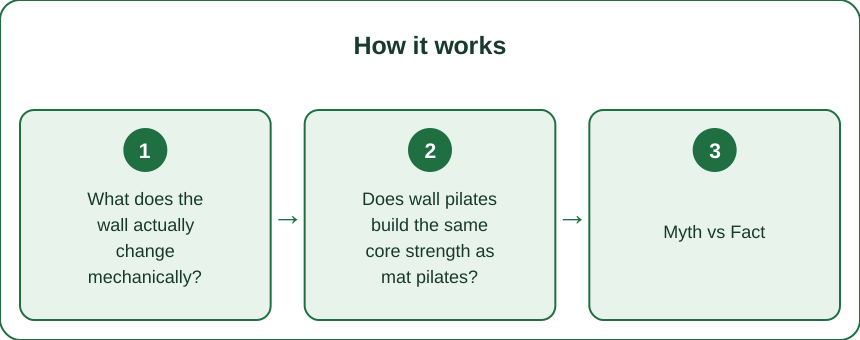
What does the wall actually change mechanically?
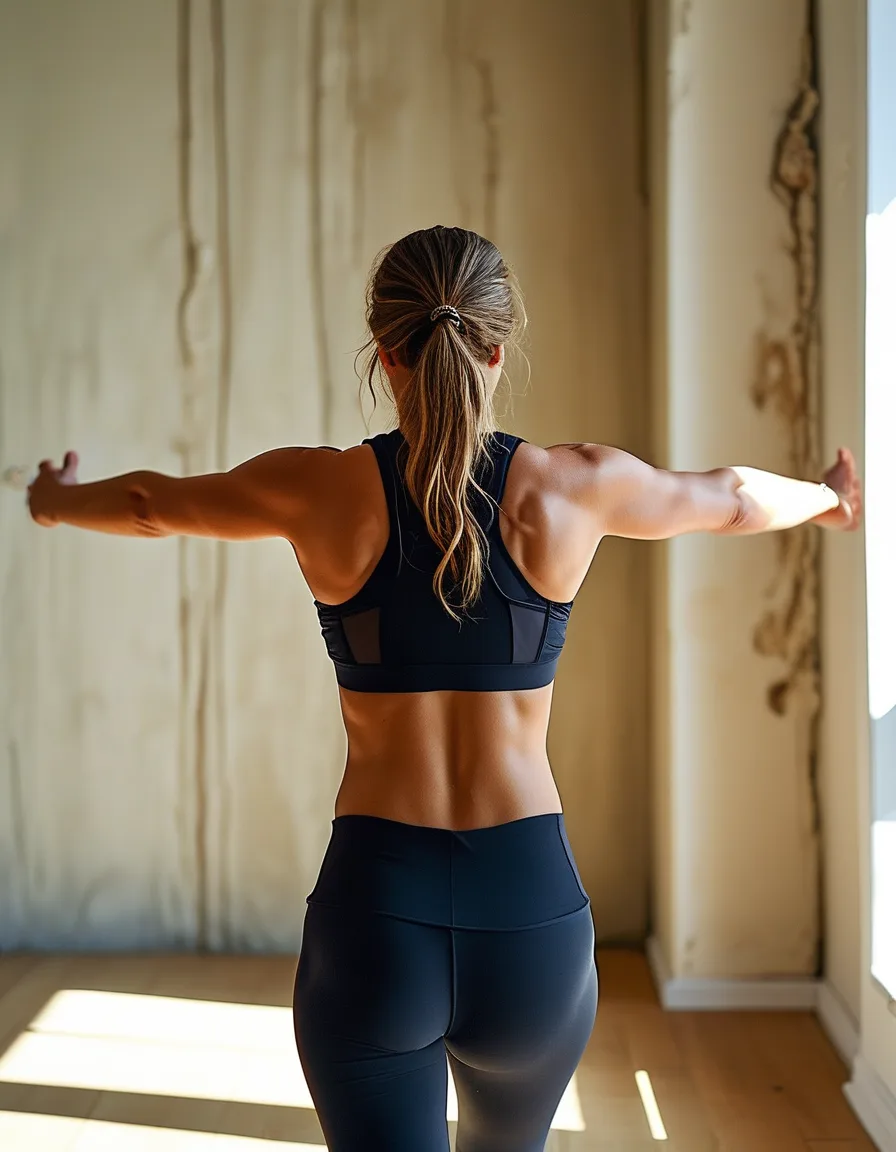
The wall provides a fixed, stable reference surface for your spine, pelvis, or limbs — which makes it much easier to feel and correct alignment than on an unstable mat surface where your body has to work to hold position on its own.
This makes wall pilates especially useful for beginners learning proper pelvic tilt or spinal alignment cues, since the wall gives immediate physical feedback a mat can’t.
Does wall pilates build the same core strength as mat pilates?
Not identically. Mat pilates’ floor exercises (like the hundred, roll-ups, teasers) build core strength partly through managing instability — your core has to stabilize your whole body without external support, which is a specific and valuable training stimulus.
Wall pilates, by contrast, often reduces that instability demand in exchange for cleaner alignment cues — meaning it’s excellent for teaching correct movement patterns but not a full substitute for the stability challenge mat work provides.
Myth vs Fact: Wall Pilates Comparison Edition
Myth: Wall pilates is easier, so it’s less effective. Fact: It targets different goals — alignment awareness and controlled isometric holds — rather than being simply a lower-effort version of mat work.
Myth: You should pick one or the other. Fact: Many instructors recommend combining both — wall pilates to build alignment awareness, mat pilates to apply that awareness under real instability.
Myth: Wall pilates can’t build real strength. Fact: Isometric wall holds, especially longer static positions, build genuine strength and endurance — just through a different mechanism than mat’s dynamic movements.
Who actually benefits most from each style?
Wall pilates suits beginners, anyone recovering from injury who needs extra stability, or people working specifically on posture and alignment awareness.
Mat pilates suits those ready for more dynamic, core-instability-driven work, or anyone whose goal includes the flexibility and rotational components that floor exercises emphasize more than wall-based holds typically do.
FAQ: Wall Pilates vs Mat Pilates Questions, Answered
Can wall pilates alone replace a full pilates practice?
For general posture, core awareness, and low-impact strength, yes it can serve as a complete practice — for full-body flexibility and dynamic core training, adding mat work rounds it out.
Is wall pilates better for beginners than mat pilates?
Many instructors do recommend starting with wall pilates specifically to build alignment habits before progressing to mat, where instability makes poor form easier to fall into unnoticed.
Do wall pilates and mat pilates burn similar calories?
Intensity and pacing matter more than the format itself — a fast-paced wall pilates class can burn comparably to a slower mat session, and vice versa.
TL;DR:
- The wall provides stability and alignment feedback that mat work can’t replicate
- Mat pilates builds core strength partly through managing instability the wall removes
- Neither format is strictly better — they train different things
- Wall pilates suits beginners and alignment-focused goals; mat suits dynamic, instability-driven training
Use the wall to learn the position, then take that awareness to the mat — together they cover more ground than either alone.
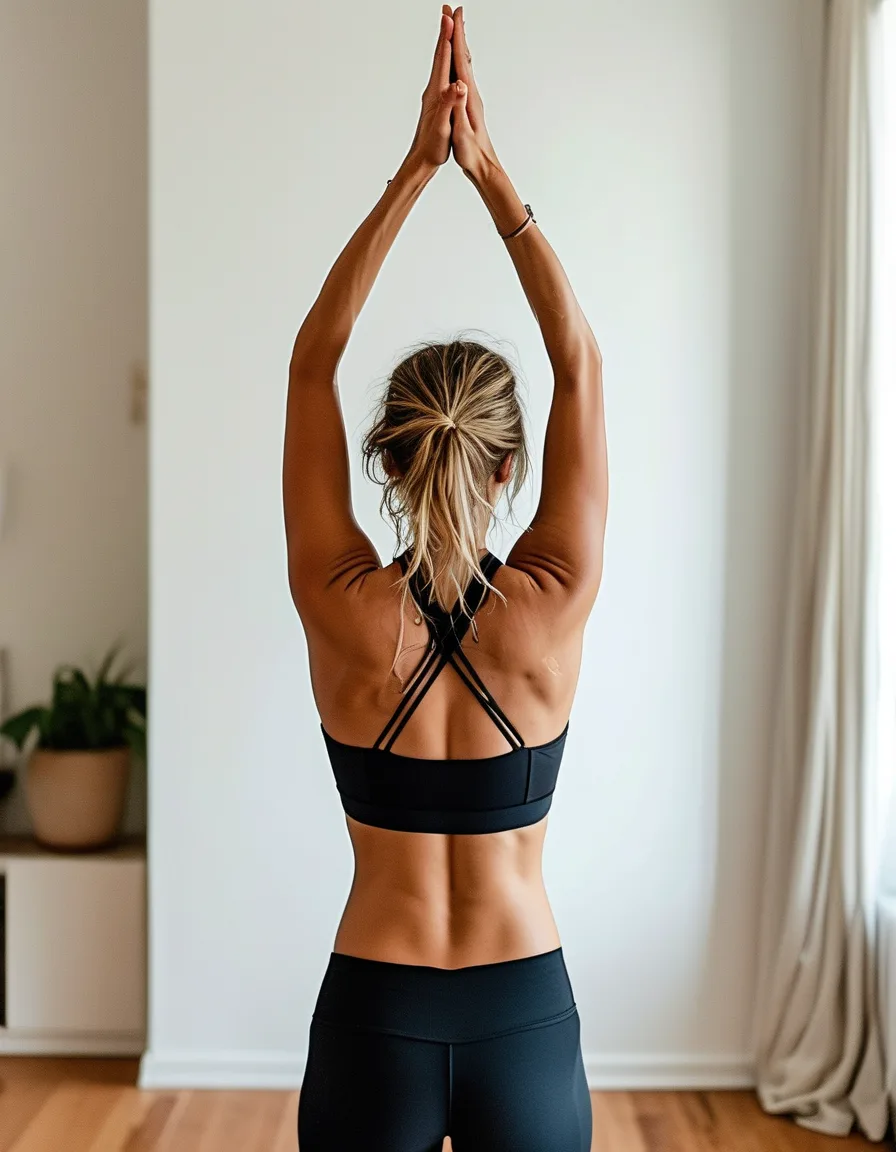
See It in Motion
Seen here: High Waist Bootcut Yoga Pants — shop it on bubblelime.com
Keep Reading
This article is for general informational and styling purposes only. Fit, sizing, and product availability may vary.