Why the Same Wall Pilates Move Feels Different on Different Walls
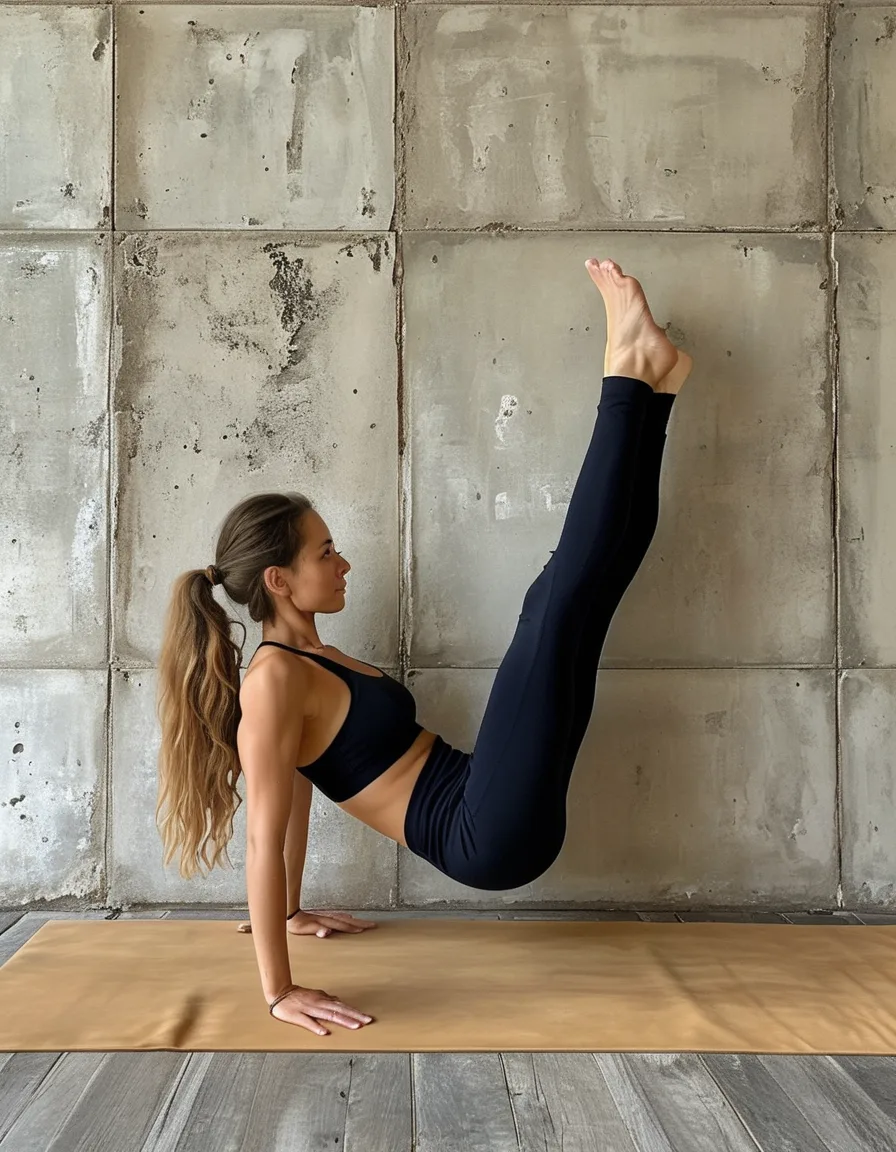
The same wall pilates routine gets assumed to feel identical no matter which wall it’s done against, since the exercise itself hasn’t changed. But smooth painted drywall lets feet and shoulders slide slightly under load, while a textured or carpeted surface grips more, and that difference in friction changes how much stabilizing effort each move actually demands.
Why the Wall Itself Seems Like a Neutral Prop
The prop-not-variable assumption: a wall being treated purely as a flat, stable surface to push or brace against, similar to how a mat is assumed to be interchangeable regardless of brand, which makes wall surface feel irrelevant to how the exercise itself works.
Why Wall Texture Actually Changes the Exercise
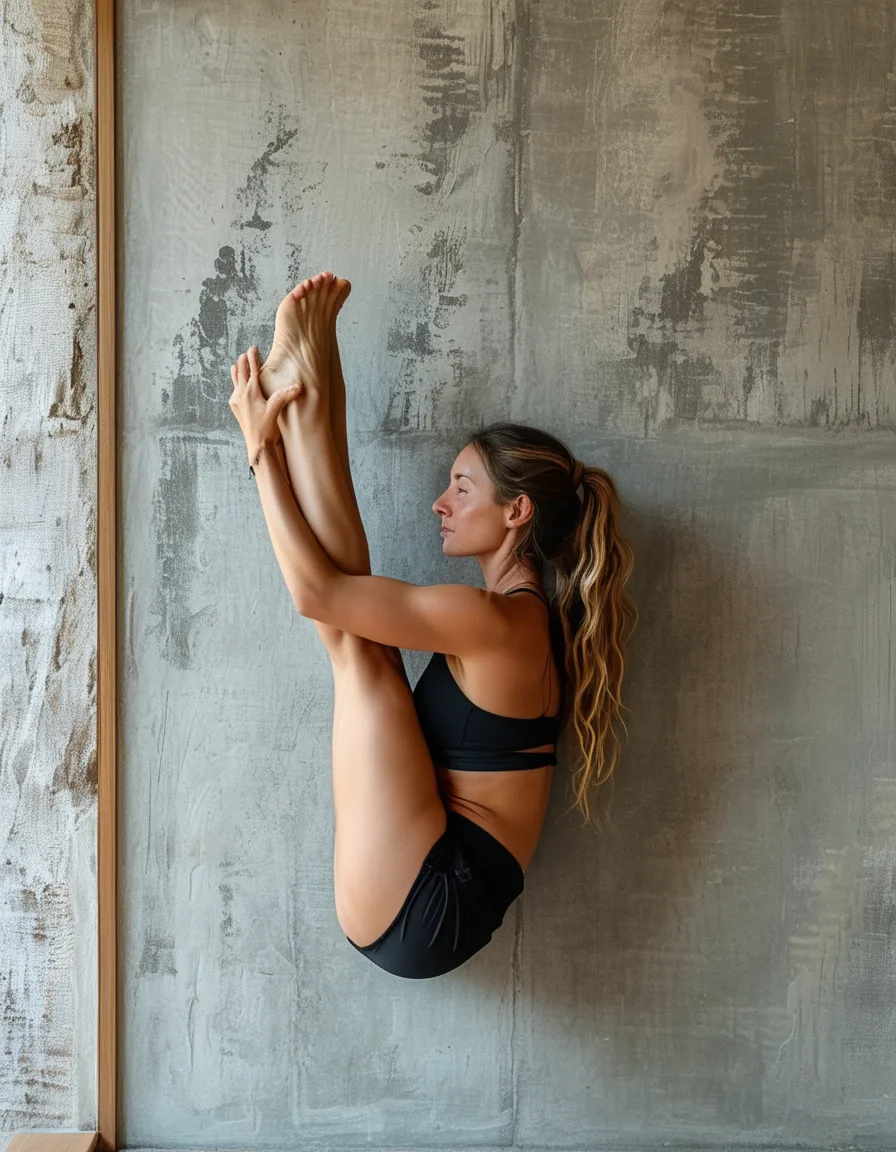
The friction difference: smooth painted drywall allowing feet or shoulder blades to slide slightly under load, which can quietly reduce the stabilizing effort a move demands, while a textured, tiled, or carpeted surface grips more and keeps contact points fixed, forcing the stabilizing muscles to work harder to hold position.
Why This Difference Rarely Gets Noticed
The overlap: a wall pilates move looking and feeling generally similar across different wall types at a glance, so the subtle difference in how much the stabilizing muscles are engaging only becomes obvious when the same move is tried against two very different surfaces back to back.
How to Actually Account for Wall Surface
The practical adjustment: consciously pressing the feet or shoulders into a smooth wall with a bit more deliberate effort to compensate for the reduced grip, or choosing a slightly textured wall section when precision and stability are the priority, and the frame (wall texture changes friction and how much stabilizing effort a move demands — adjusting pressure consciously on a smooth wall is what actually keeps the exercise effective.)
The same wall pilates routine gets assumed to feel identical regardless of which wall it’s done against, but smooth painted drywall lets feet and shoulders slide slightly under load, quietly reducing the stabilizing effort a move demands, while a textured or carpeted surface grips more and forces those muscles to work harder to hold position. A move looks and feels generally similar across wall types at a glance, so the difference only becomes obvious when tried against two very different surfaces back to back. Consciously pressing in with a bit more deliberate effort on a smooth wall is what compensates for the reduced grip.
See It in Motion
Seen here: Racerback Tank Top - White — shop similar styles on bubblelime.com
Keep Reading
This article is for general informational and styling purposes only. Fit, sizing, and product availability may vary.