Why Wall Pilates Results Depend on Which Body Parts Actually Stay in Contact With the Wall
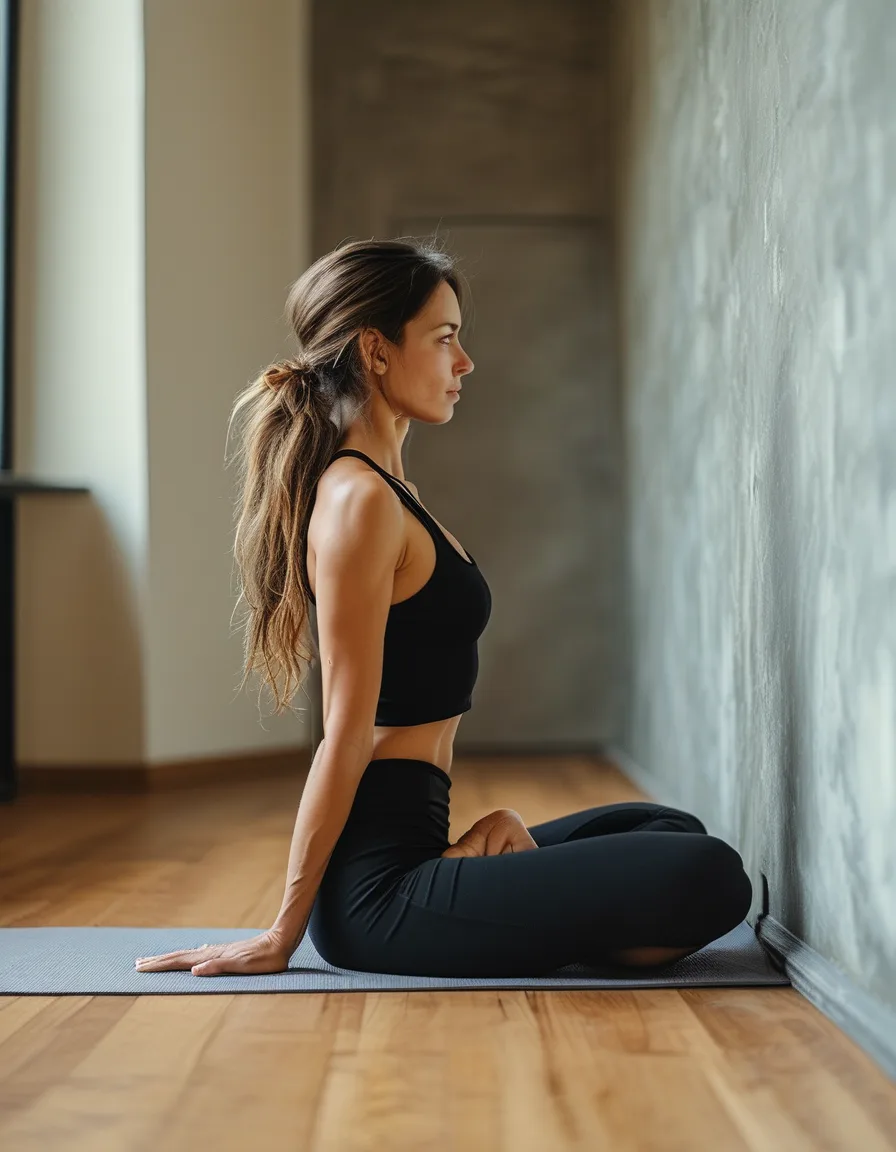
Following along with a wall pilates video without paying attention to which specific body parts are supposed to stay pressed against the wall throughout a movement can turn an exercise into something that just resembles the movement, without actually delivering the alignment and core engagement the wall is there to enforce.
Why Losing Wall Contact During a Movement Undermines the Exercise’s Intended Effect
The contact-purpose mechanism: the the-wall-functions-as-an-external-alignment-check-not-just-a-prop-to-lean-against (the the wall’s role being to provide constant feedback about posture and positioning, not simply physical support — the wall-is-alignment-check-not-just-support-prop), the the-losing-contact-at-a-specific-point-like-the-lower-back-often-means-a-compensation-pattern-has-crept-in (the a gap forming between the body and wall usually signaling the body finding an easier, less correct way to perform the movement — the lost-contact-signals-compensation-pattern), the the-the-exercise-can-still-look-visually-correct-from-the-outside-while-the-actual-wall-contact-and-alignment-benefit-is-lost (the a movement appearing fine on video or in a mirror while missing the specific internal alignment cue the wall was meant to enforce — the looks-correct-externally-while-missing-internal-benefit), and the reframe (wall contact functioning as the actual mechanism of the exercise’s benefit, meaning losing it undermines the exercise even if the movement still looks approximately right).
The Specific Contact Points That Should Be Checked in Every Wall Pilates Move
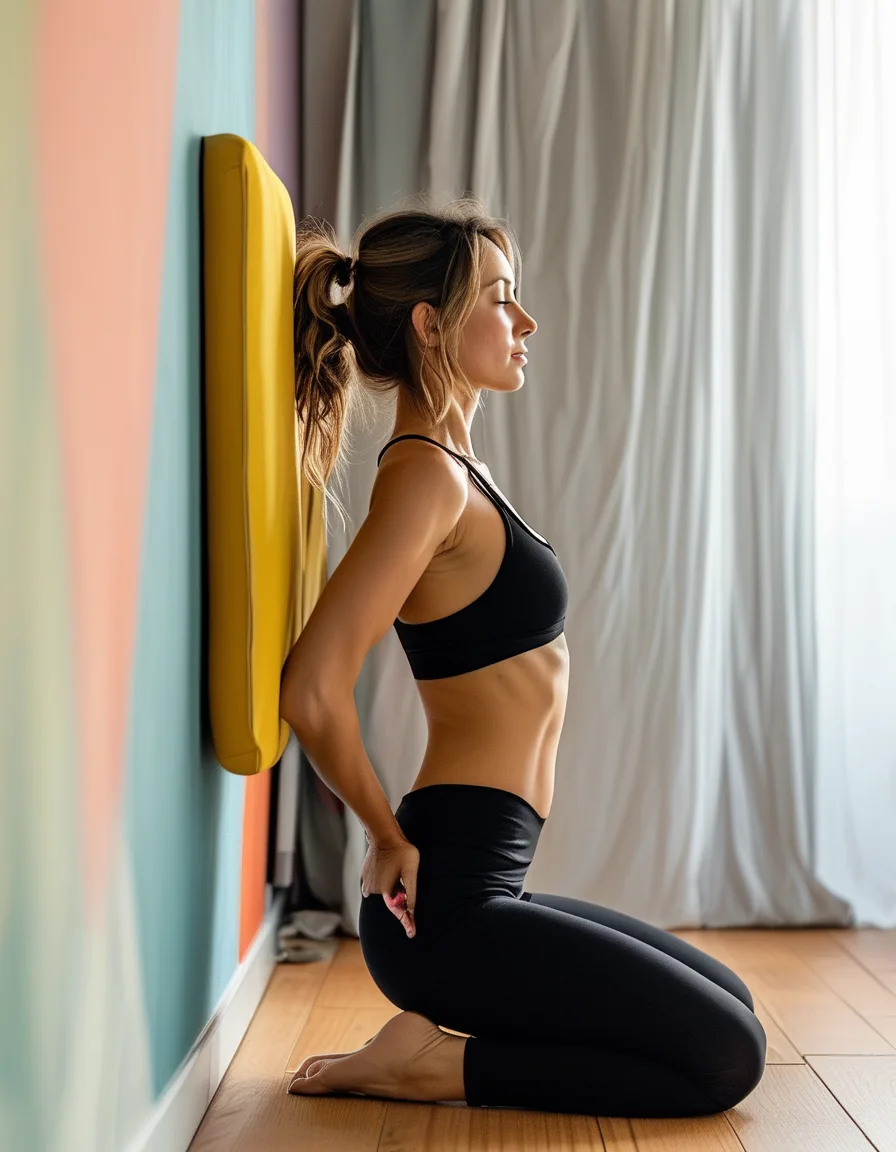
What to actually monitor: the the-lower-back-should-maintain-a-specific-consistent-amount-of-contact-or-flattening-against-the-wall-depending-on-the-exercise (the a specific target — full contact or a controlled small gap — being deliberate to that particular movement, not left to guesswork — the lower-back-contact-target-is-exercise-specific), the the-shoulder-blades-should-stay-in-consistent-contact-during-any-arm-or-upper-body-focused-movement (the the upper back contact point being the relevant check for a different category of exercises — the shoulder-blade-contact-relevant-for-upper-body-moves), the the-hips-should-remain-level-and-in-consistent-contact-during-any-leg-lift-or-single-leg-movement (the hip position being the key check specifically for lower-body-focused exercises — the hip-contact-relevant-for-leg-focused-moves), and the frame (checking lower back, shoulder blade, or hip contact depending on which category the specific exercise falls into — three distinct contact zones to monitor rather than one generic wall-touching cue).
How to Self-Correct Using the Wall as Real-Time Feedback Instead of Just Following Along With a Video
The practical self-correction habit: the pause-briefly-at-the-point-in-a-movement-where-contact-is-most-likely-to-be-lost-and-consciously-check-it (the identifying and specifically monitoring the most vulnerable moment in each movement rather than checking only at the start — the pause-and-check-at-most-vulnerable-movement-point), the the-slow-down-the-tempo-of-a-movement-specifically-in-order-to-notice-whether-contact-is-being-maintained (the a slower pace making subtle loss of contact far easier to feel and correct in the moment — the slow-tempo-to-notice-contact-loss), the the-reduce-range-of-motion-if-necessary-to-preserve-correct-contact-rather-than-completing-a-full-range-with-lost-contact (the prioritizing correct alignment over completing the visually full movement — the reduce-range-to-preserve-contact-over-full-range), and the frame (pausing to check contact at the most vulnerable point in a movement, slowing the tempo to actually notice it, and reducing range of motion if needed to preserve contact — a self-correction habit that uses the wall as real feedback rather than just following a video’s pace and range).
Following along with a wall pilates video without monitoring which body parts are supposed to stay pressed against the wall can turn an exercise into something that just resembles the movement without delivering its intended benefit, since the wall functions as an external alignment check, and losing contact at a specific point like the lower back usually signals a compensation pattern that can still look fine from the outside while the actual benefit is lost. The specific contact points to monitor depend on the exercise: lower back contact for core-focused moves, shoulder blade contact for upper-body movements, and level hip contact for leg-focused or single-leg exercises. Self-correct by pausing briefly at the point in a movement where contact is most likely to be lost to consciously check it, slowing the tempo specifically to notice subtle loss of contact, and reducing range of motion if necessary to preserve correct contact rather than completing a full-range movement with the alignment already lost.
See It in Motion
Seen here: Bootcut Capri Yoga Pants with Pockets — shop similar styles on bubblelime.com
Keep Reading
This article is for general informational and styling purposes only. Fit, sizing, and product availability may vary.